
WORST YEAR FOR CINEMA: TOP 10 FILMS OF 2025
A countdown of the best films during a weak year in film

Watch the video review above
Before I reveal my top 10 films of 2025, I should begin by stating that this year has been, without question, the worst I’ve ever experienced for cinema. Normally, when compiling a top 10 list, one selects films that are not just good but that make a meaningful contribution to the art form. This year, I have been forced into a rather sad position: I am picking films that are merely good, but by no means significant. Only one film genuinely blew me away. Only one. But before I get to that, an honourable mention is necessary for the most interesting film of the year.
Honourable mention: Eddington
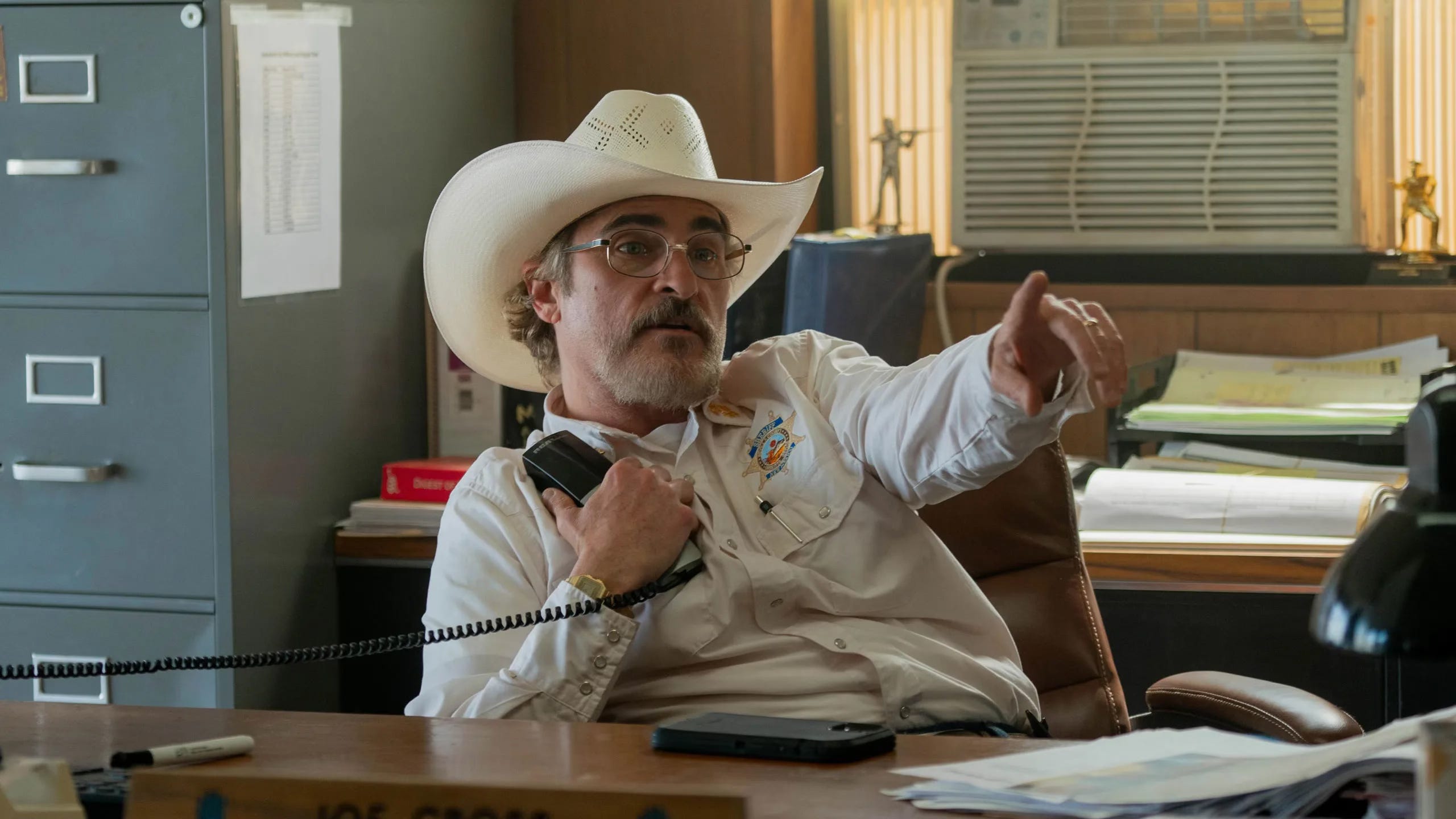
Last year, I awarded my honourable mention to Joker: Folie à Deux (2024), but this year it goes to Ari Aster’s Eddington. This is the same director who gave us Hereditary (2018) and Midsommar (2019). But this is no horror film. It is a dark satire that revisits 2020: the year of COVID & Black Lives Matter. It received a fair amount of criticism upon release, likely because some expected it to “take sides.” But if you pull yourself out from the culture war battlefield, you’ll find that it isn’t a film about picking sides or delivering a lecture, but rather it is a portrait of a country hurtling towards a dark future.
I suspect that in years to come, Eddington will be revisited as a historical snapshot, a warning about where we are heading. The film presents a bleak outlook on the future, but does so with intelligence. I wouldn’t underestimate the importance of this cinematic entry in history.
10: Companion
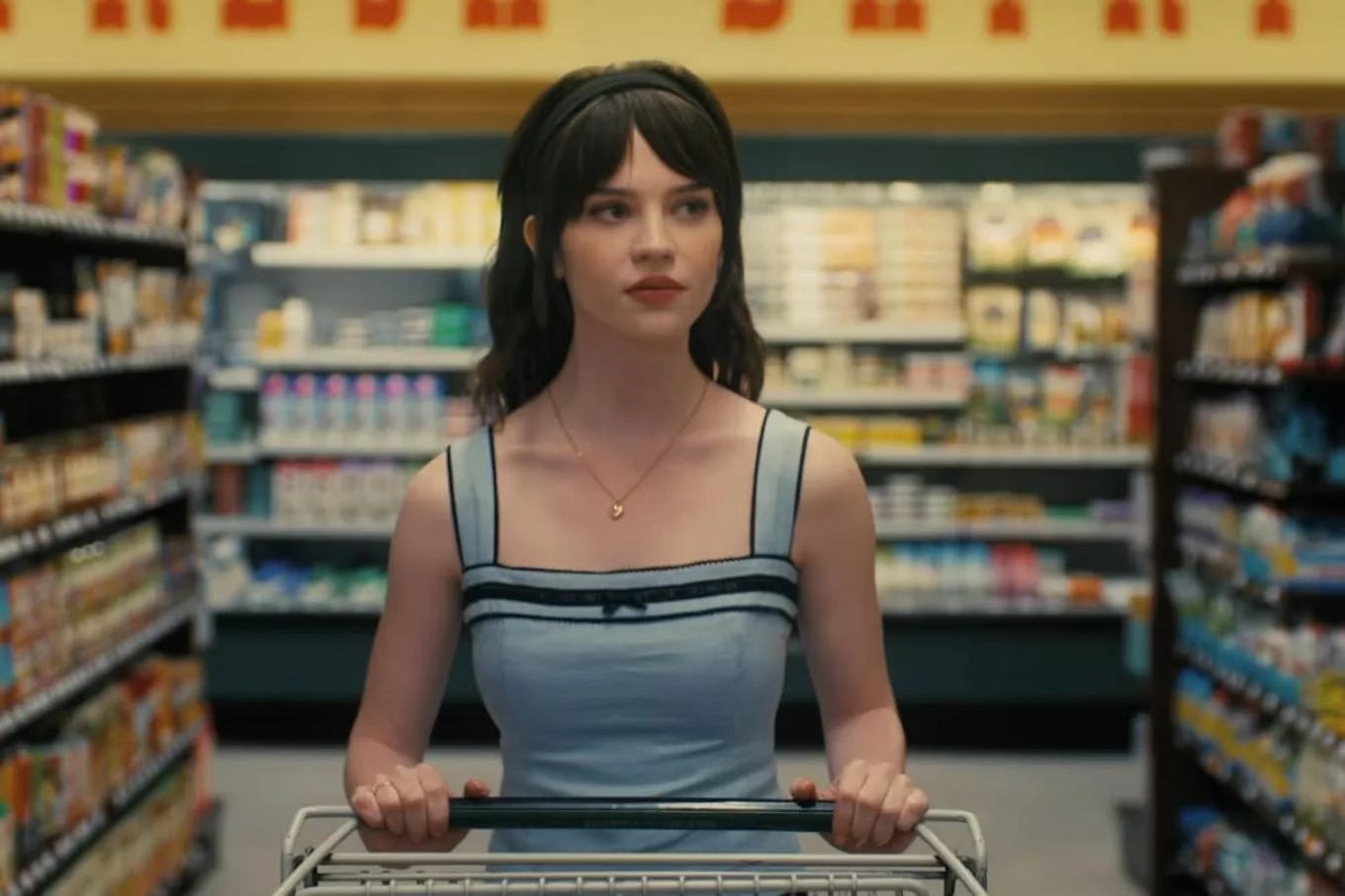
Kicking off the top 10, we have Companion. This film was a pleasant surprise. Initially, one might dismiss it as a standard mainstream release, lacking franchise potential or blockbuster ambitions. Yet it deploys what I call “the plot switch”, a narrative technique seen in films like Barbarian (2022) or Strange Darling (2023). The first 15–20 minutes are unremarkable, but then the story pivots in a direction entirely unexpected, and in doing so, becomes far more compelling than the opening promised.
Unlike films that shift genre midway, such as From Dusk Til Dawn (1996), Companion maintains its original identity but just changes its trajectory. The less you know going in, the more effective this is; anything revealed in advance risks spoiling the surprise.
9: Dreams

Number nine is Dreams, written and directed by Michael Franco, and starring Jessica Chastain. She portrays a woman from a wealthy American family embroiled in a twisted relationship with a Mexican immigrant at a ballet academy funded by her family. I will avoid detailing the story’s darker developments, as they are best experienced unspoiled. What is deeply interesting is the film’s approach to storytelling. It refuses to allow ideology to dictate the narrative. Instead, the characters themselves drive the story.
Lionel Shriver, author of We Need to Talk About Kevin, said in a podcast a couple of years ago that stories are always rigged to prefer the immigrant as the “winning character”. Dreams resist this tendency. It does not present simplistic “good” and “bad” figures, nor does it chase politically correct conclusions, but instead allows characters to respond authentically to their individual situations. It shows every human’s capacity to become a monster. The most interesting films are those where the characters are in the driver’s seat of the story, rather than an activist writing the screenplay or standing behind the camera.
8: Weapons
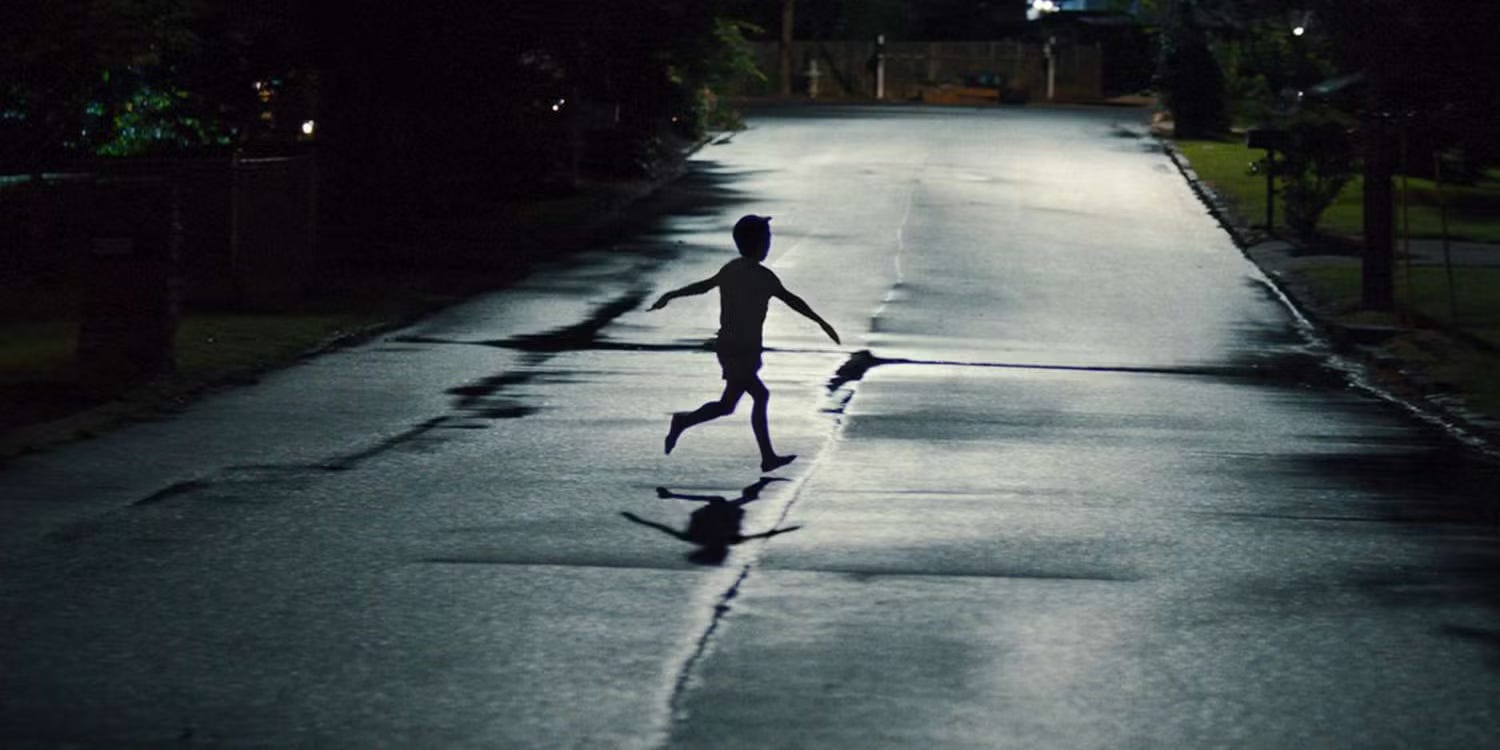
Number eight is Weapons, the latest from Zach Cregger, director of Barbarian (2022). I approached this film with high expectations. It begins with a compelling mystery: children go missing at 2 a.m., and no one knows where they have gone. The premise sparks the imagination, and there are genuinely frightening moments; however, the revelation was disappointing.
In a podcast called Script Apart, Cregger discussed the influence of David Lynch’s approach to storytelling: allowing the subconscious to lead, embracing mystery, and trusting intuition rather than over-planning. This philosophy shapes Weapons, which takes us to interesting but sometimes bizarre places. That’s not necessarily a bad thing, but some events didn’t feel logically justified. A story that leaves space for the audience's imagination best thrives when there is sufficient internal logic to the world presented to us, but that standard is only partially met here.
7: The Naked Gun
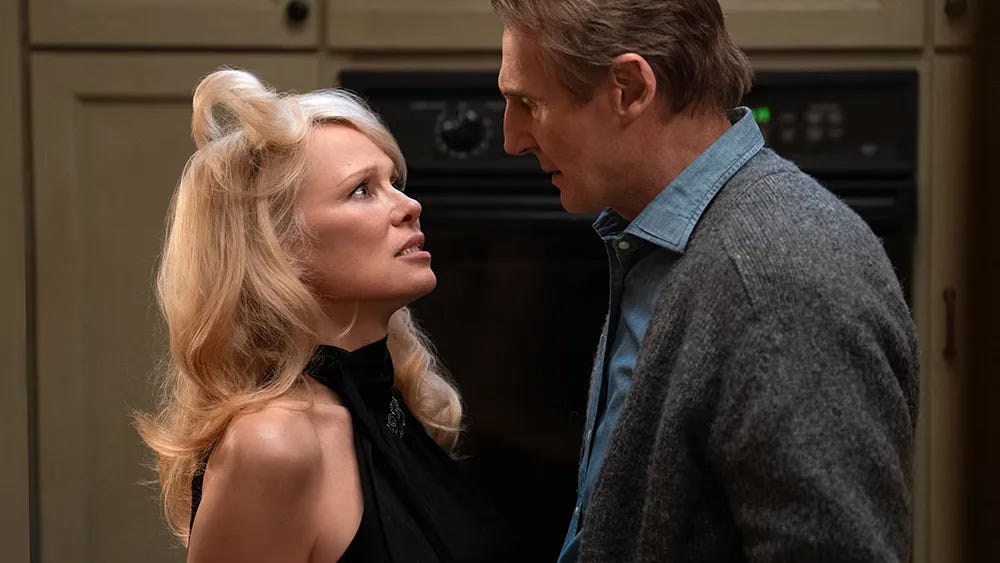
Number seven is The Naked Gun. When this was announced, I was excited because I love Liam Neeson. I foresaw his ability to thrive in a comedic role such as this in the Taken films. These films have the intention of being serious; however, there is some slight amusement in Neeson’s performance playing this badass old guy seeking revenge and succeeding against the odds. The Taken films were so successful, he ended up playing pretty much the same character in other films, such as Non-Stop (2014), The Commuter (2018), The Ice Road (2021), and Cold Pursuit (2019). It ended up being its own genre, what I call the “Liam Neeson action film”. And now here comes along a film he stars in, which is meant to be funny, where he really embraces the role.
I haven’t laughed like that at a film in a long time. However, some of the praise was exaggerated. If released a decade ago, it wouldn’t have caused much of a stir. But in today’s cultural climate, where comedy is often censored or restrained, it felt refreshing, like receiving a small joy after deprivation.
6: Lurker
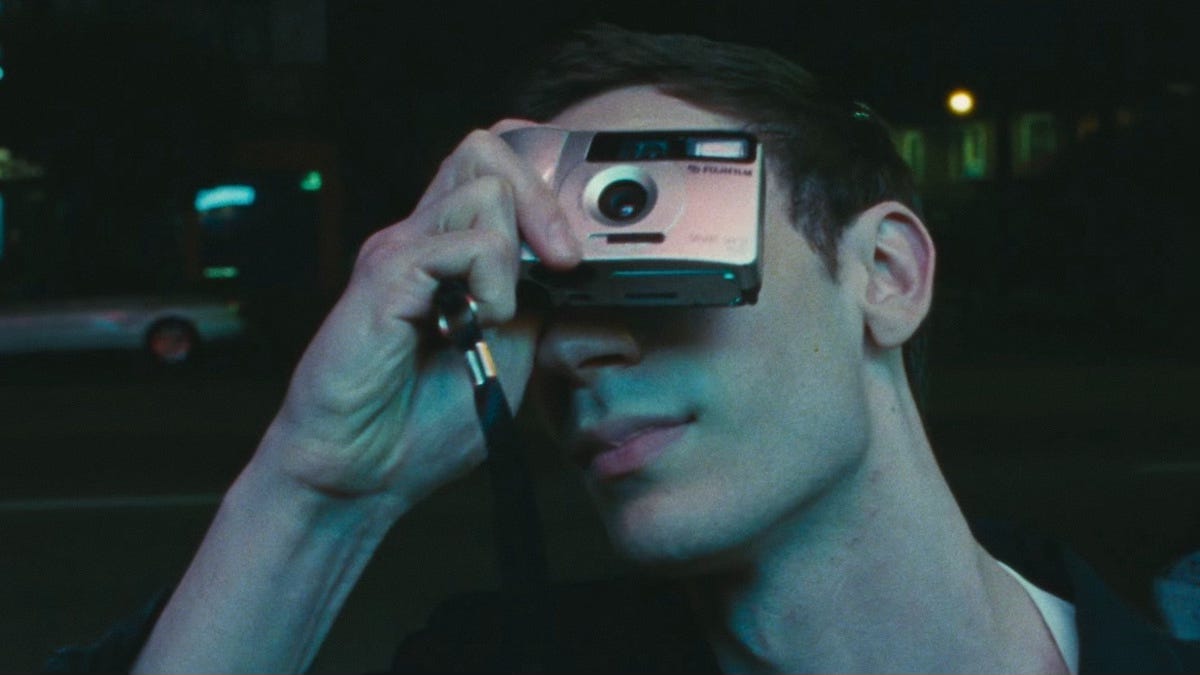
Number six is Lurker, a film about a lonely guy who manages to insert himself into the circle of a popular singer. His desperation to get closer to the star results in him being pushed away, resorting to twisted measures to ensure he doesn’t return to his mundane life before entering the world of fame. This was a difficult film to watch because it exposes uncomfortable truths about fame, ambition, and desire. The process of witnessing this journey is one of great discomfort; however, its pacing hooks you in for the entire duration.
The soundtrack is highly competent, and the original songs for the character’s pop career are convincingly executed. It’s directed and written by Alex Russell, who was behind the TV series The Bear. I haven’t seen the series, but I’m curious to check it out and eager to see what this filmmaker delivers in the future.
5: 28 Years Later
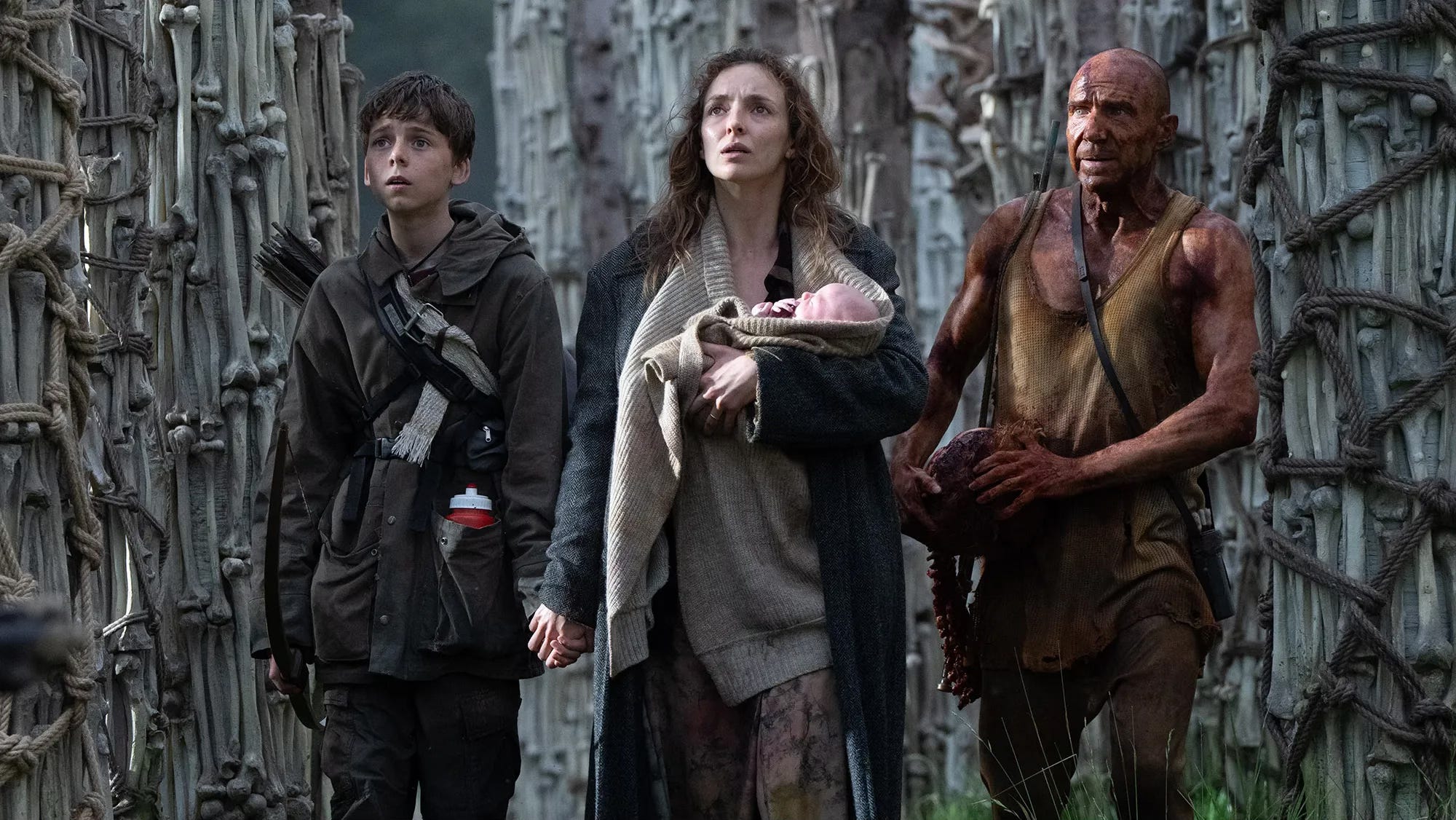
Number five is 28 Years Later, a long-awaited sequel to 28 Days Later (2002). Danny Boyle returns as director, with Alex Garland writing the screenplay. I don’t think many people were asking for this sequel, but it successfully re-emerges the franchise. It provides nostalgia for the 2000s (the last decade when cinema was thriving) and showcases the potential of British cinema with examples of bold and experimental filmmaking.
The film embraces a strong sense of identity, another aspect that British cinema often lacks against the French and the Americans, as it deeply connects to the region in which the story takes place, that being the north east of England. We’re provided with a competent story; however, it doesn’t reward us with deep meaning or emotion. The conclusion sets up a sequel that appears to explore provocative territory, which we can only hope is as interesting as what’s been teased.
You can watch or read my review of 28 Years Later: The Bone Temple this coming Friday!
4: Sirat
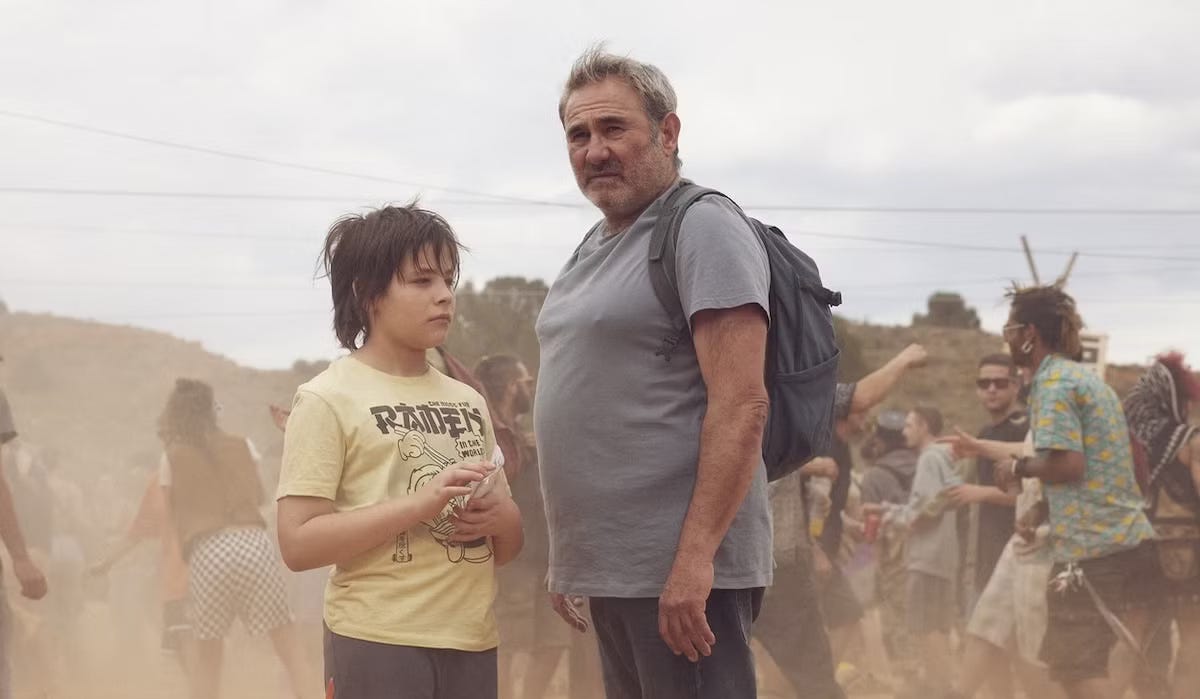
Number four is Sirat, the most disturbing film of the year. Watching it feels like being trapped in hell, but that’s not a bad thing in this case. Some of the best cinematic experiences can be those that display the power to provoke huge discomfort through images and sound alone.
The film is about a father and his son who travel into the Moroccan desert and join a group of hippies searching for his missing daughter. Very bad events follow, which I won’t go into to preserve the element of surprise and the ability to be disturbed. Sirat is truly impressive filmmaking and a great example of uncomfortable cinema.
3: Bugonia
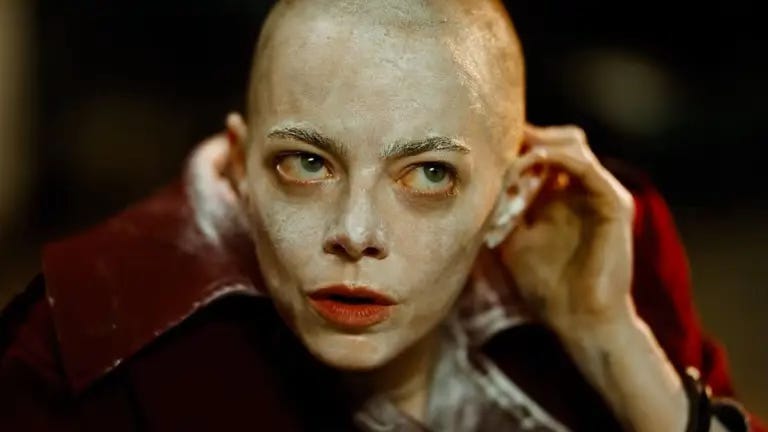
Number three is Bugonia, the new film from Yorgos Lanthimos, who seems to have reached the sweet spot of incorporating his signature arthouse style while satisfying mainstream audiences. It focuses on two men who kidnap a woman who is a well-known CEO because they are convinced she’s an alien. This film highlights the comedic talent of Emma Stone, who is hilarious in this role. I came away more convinced that comedy performance is truly embodied in her DNA.
It’s worth stressing that although this ranks so highly in the top 10, it’s by no means Lanthimos’ best film, nor is it an outstanding contribution to cinema despite being an enjoyable ride. During a year that hasn’t been this poor, I’d normally place a film of this quality between 8-10 in ranking; however, the releases in 2025 didn’t give us much to work with. Just don’t go away expecting an experience of high calibre with this one.
2: Black Bag
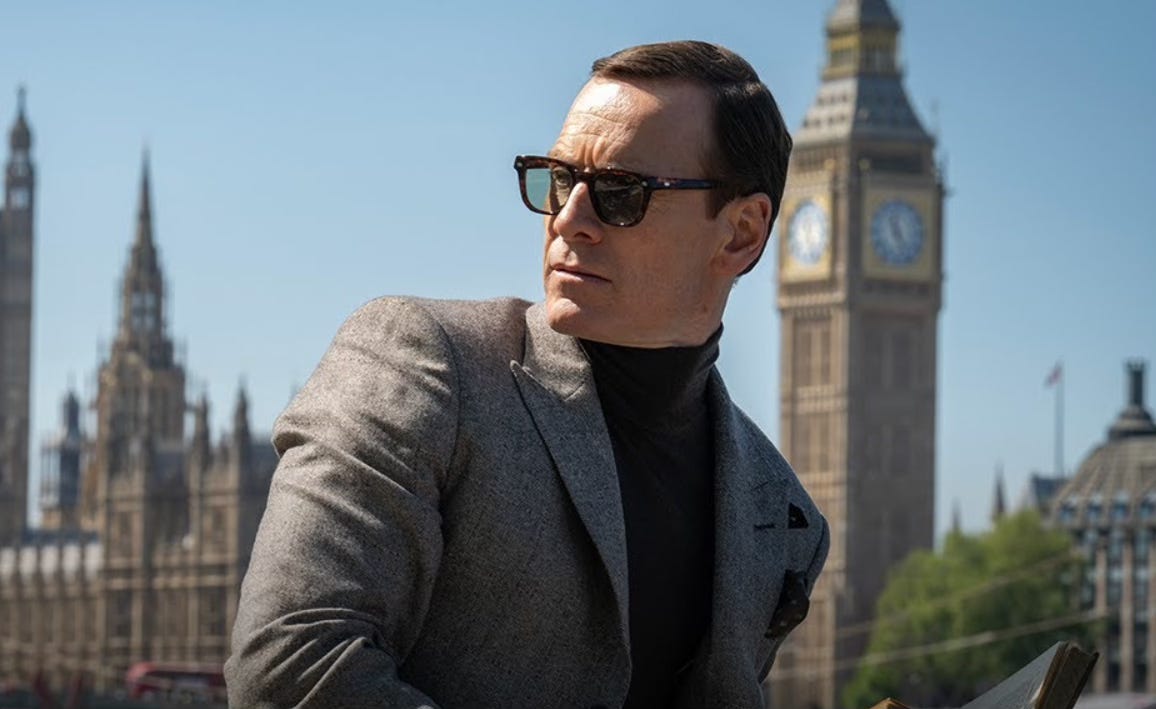
Number two is Black Bag, the latest from Steven Soderbergh, teaming up with screenwriter David Koepp, who worked with the director on the horror film Presence (2024). But this time, we’re presented with a smart British spy thriller with Michael Fassbender starring as a spy, seeking a traitor who is suspected to be his wife (Cate Blanchett). The film is intelligent, meticulous, and elegant in its execution. Every scene is purposeful; even mundane actions, like cooking a meal, are directed with precision. There is a moment where the plot gets a bit complex; however, this resolves naturally as the drama between the characters returns to the forefront.
While Black Bag is perfectly satisfying, it's by far a work that stands out as something to get excited about. Even if it is the second-best film of 2025, British cinema still has a long way to go to persuade audiences that it matches the same calibre as America and France, but Soderbergh and Koepp at least contribute a work that demonstrates a fine use of the resources available within the nation.
1: After The Hunt
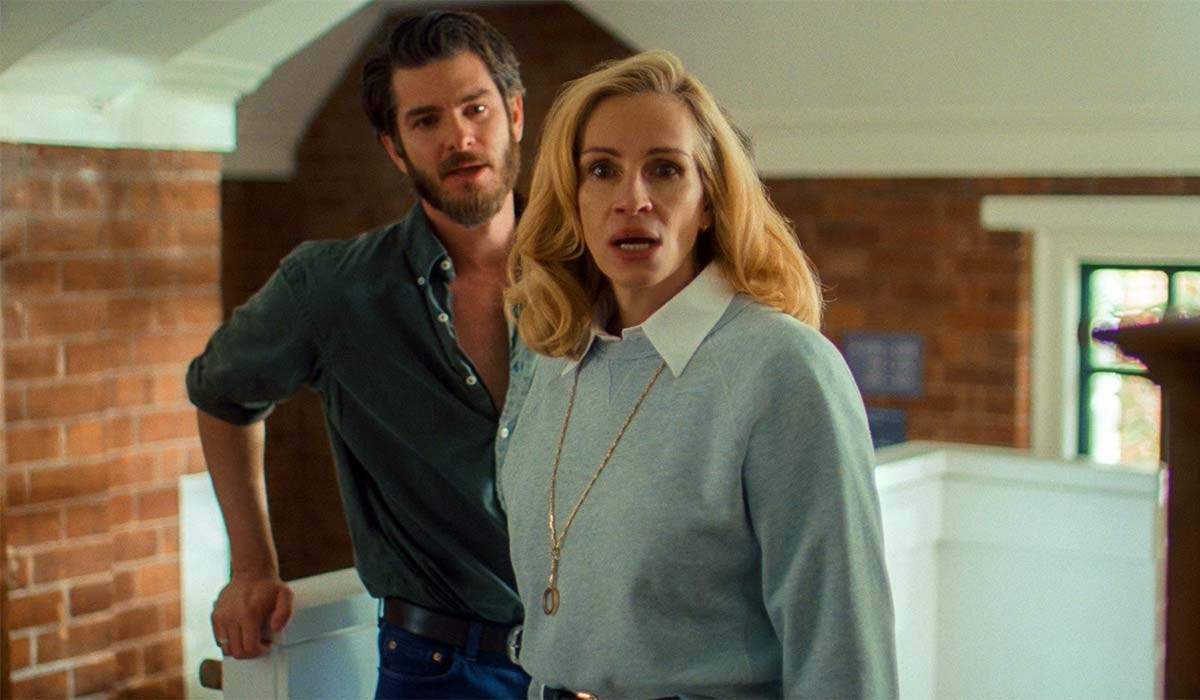
At number one, and the best film of the year, is After the Hunt. Some may be surprised by its placement given the slaughter of criticism it received, but much of that backlash had little to do with the film’s artistic merit. Instead, it was aimed at the themes and conversations the film dares to explore subjects that have largely been avoided in cinema for the past decade. We’ve been living in a period where filmmaking has played it safe, shaped by a culture unwilling to engage with controversy. That’s why it was refreshing to see screenwriter Nora Garrett and director Luca Guadagnino take such a clear risk with this story.
The film follows a philosophy professor at Yale, played by Julia Roberts, who is confronted by a female student reporting that she has been sexually assaulted by another teacher, played by Andrew Garfield. Roberts’ character, however, is burdened by a dark secret that is gradually revealed. She must navigate the tension between being a supportive lecturer and remaining loyal to a colleague accused of a serious crime. The university setting is crucial, using debate and conversation to interrogate subjects that are often treated as morally settled within academic spaces. As the story unfolds, the tension between the characters builds toward an explosive and deeply interesting revelation about Roberts’ character.
After the Hunt excited me because it feels like a genuine step forward, away from a culture that drains the enjoyment from exploring difficult or controversial terrain. Too often, cinema has been bullied by activists into serving as a vehicle for “positive social values,” reducing art to a form of social engineering and political messaging. This politics-dominated approach has discouraged risk-taking and left much of the past decade creatively flaccid. While the film isn’t perfect, there are minor missteps, such as an odd decision involving a photograph hidden under a bathroom sink; these flaws don’t undermine its power. Guadagnino remains one of the best filmmakers currently working, and if this film is any indication, his future work, including his adaptation of American Psycho, will have the courage to embrace cinema that dares again.
But where are Sinners, Marty Supreme, and One Battle After Another?
Now, some of you may be wondering why this list is missing the films that have been called the “best of a generation” this year. I didn’t like Sinners very much at all. While a cool concept was presented, the film struggled to create an engaging story around it. One Battle Another Another may have displayed the technical mastery of director Paul Thomas Anderson, but it failed to provide characters you could emotionally engage with, doing a disservice to an interesting plot. While Marty Supreme provided much more more interesting characters with good performances, the themes and subject matters presented weren’t of great interest to me.
I believe these films have been called generational masterpieces by many because we’ve been deprived of the heights of great cinema for the last ten years (at least). And when some works that are filmed with high technical competence come along, such as these titles, people get swept up in a social contagion where they convince themselves these are the films that will go down in history as “the greats” from this time in history. The truth is, none of these films will be spoken about past 2026. They aren’t bad films, just not generational masterpieces.
There’s nothing wrong with acknowledging that the art form has suffered a blow and that we’re unfortunately living in a time where cinema isn’t as exciting as it used to be. Weak culture produces weak art. But we will move past this, and I believe we are currently witnessing the last years of it. As Oskar Schindler said in Schindler’s List (1993), “Some day, this is all going to end, you know”.