

Watch video review above
Sam Raimi has a new film. This is the filmmaker who gave us The Evil Dead series, the original Spider-Man trilogy starring Tobey Maguire, and the 2009 horror film Drag Me to Hell, which had some genuinely strong elements. Since then, though, Raimi hasn’t done much directing. He’s produced a huge number of films, far more than he’s directed, but in terms of directing, his output has been fairly limited.
He returned in 2013 with Oz the Great and Powerful, and in 2022 he gave us Doctor Strange in the Multiverse of Madness. This new film, Send Help, doesn’t deal with existing IP. Instead, this marks Raimi’s return to the big screen with an original story that appears, at least on paper, to move him back toward his horror roots. That alone sounds like a big deal. Sadly, it doesn’t quite play out that way when you actually watch the film.
Unfortunately, Send Help feels more like a job done for cash than a film Raimi was passionate about or desperate to bring to audiences. It’s very reminiscent of Mel Gibson’s Flight Risk (2025). Once again, there was excitement around a respected director returning to the director’s chair after a long absence. But Flight Risk turned out to be a very poor film, one that felt like minimal effort had gone into it. The only conclusion you can really draw from films like this is that they exist primarily as paychecks. Flight Risk was so bad it almost tipped into being comical, though I’m not convinced that was ever the intention. Thankfully, Send Help isn’t quite that bad.
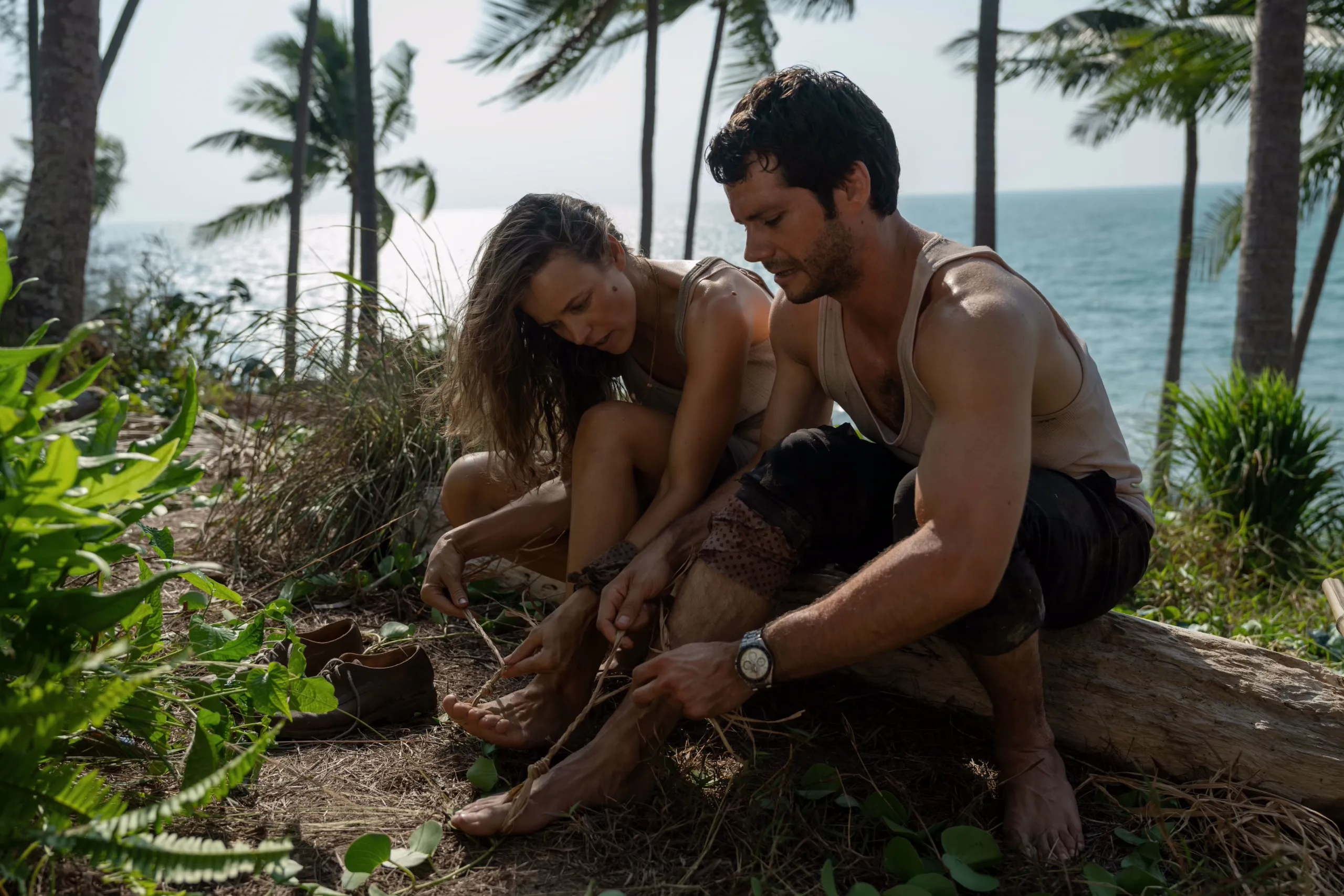
The story centres on a character played by Rachel McAdams, an annoying, socially awkward assistant who works under a boss played by Dylan O’Brien. The two don’t get along at all; he sees her as a bit of a freak. They’re on a business flight that crashes, leaving them as the only two survivors. Stranded on a remote island, they’re forced to survive together, and it’s here that the power dynamics between them shift significantly.
Does this sound familiar? Kind of. It’s essentially a poor man’s version of Triangle of Sadness (2022). That film followed a group of wealthy people on a luxury yacht that sinks, leaving guests and crew stranded on a remote island where the class hierarchy is flipped. Triangle of Sadness focuses on class, while Send Help focuses more on power and workplace hierarchy, but the similarities are hard to ignore.
That said, Send Help strips away the intellectual edge of Triangle of Sadness and presents itself as something easy to digest. The main issue isn’t so much how much it borrows from that film, but whether it offers a satisfying return to Raimi’s signature horror style. Sadly, it doesn’t. The gore has an overwhelming CGI aesthetic, and if any practical effects were used, it certainly doesn’t feel like it. Again, the comparison to Flight Risk feels appropriate. This comes across as something handled with minimal effort. While the gore can be fun at times, it’s not enough to overcome the overwhelming sense of mediocrity.
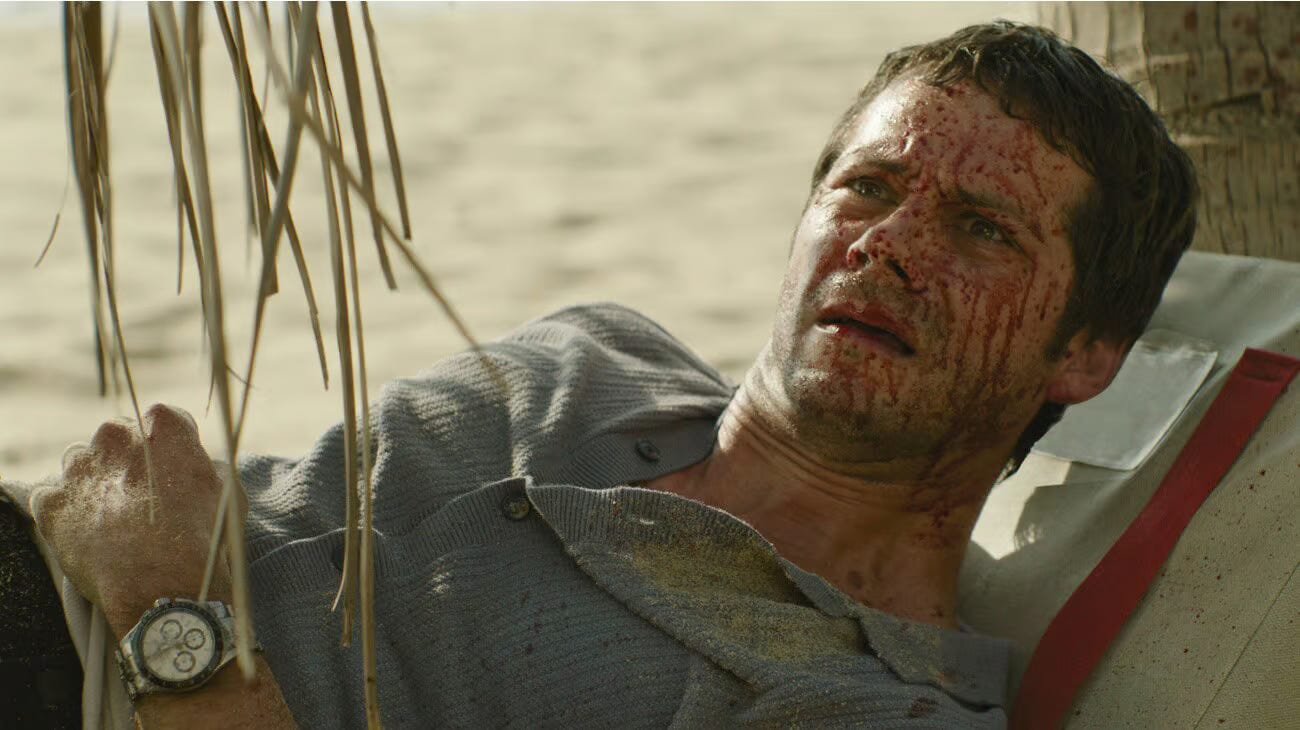
The story does pick up slightly in the third act, with a few minor surprises that make it more engaging, and there are a handful of laughs. Still, none of this is enough to salvage the film as a whole. The ending has a tone that feels like it’s giving the audience a wink, which personally I don’t like. It feels cheap, much like everything that came before it.
It’s easy to get excited when a respected filmmaker returns to the director’s chair after a long absence. I’m guilty of this myself. I was very excited when I heard Kathryn Bigelow was returning with a new film, A House of Dynamite (2025). But when you watch it, you realise it’s nothing like her previous work. It doesn’t feel like it came from the same filmmaker who gave us Zero Dark Thirty (2012) or The Hurt Locker (2008). Instead, it feels like a disposable Saturday-night Netflix film, something the whole family might throw on after picking up the cheapest brand of popcorn at the local supermarket.
The reminder here is not to get too hasty in building high expectations around the return of these filmmakers. There’s probably a reason they’ve been away so long, and when they do come back, don’t expect them to be operating at the same level they were at their peak.