

For those of you who, like me, thought Scream 6 (2023) was the worst film in the franchise, the last thing you wanted was a follow-up. While Scream 5 (2022) was a welcome return after a decade-long break, the sixth film drained the fun from it all and delivered a third act that was nauseatingly over-the-top and far too theatrical. It also managed to highlight Jenna Ortega’s limited acting ability. In almost every scene, she seemed tasked with standing there wearing the same suspicious facial expression at whoever surrounded her. It became so irritating, along with her baffling inability to convincingly express pain after being stabbed multiple times, that I frankly didn’t want to see another film with her in it. And due to political fallout behind the scenes, my wish was granted.
Ortega exited Scream 7 following the firing of Melissa Barrera for expressing a political opinion on social media that the production company disagreed with. Christopher Landon, who had been attached to direct, quit a week later, claiming there was no movie anymore as the script revolved around her character. If we’re speaking purely in the interest of the art, that implosion may have been the best thing to happen to the franchise’s future. It resulted in a reported $500,000 rewrite, with Kevin Williamson, the original writer of Scream (1996), Scream 2 (1997) and Scream 4 (2011) (arguably the strongest entries), stepping in not only to rewrite but also to direct. Better yet, Neve Campbell returned as Sidney Prescott after sitting out the sixth instalment due to a pay dispute. The brutal reality behind the scenes gave birth to one of the most enjoyable films in the franchise.
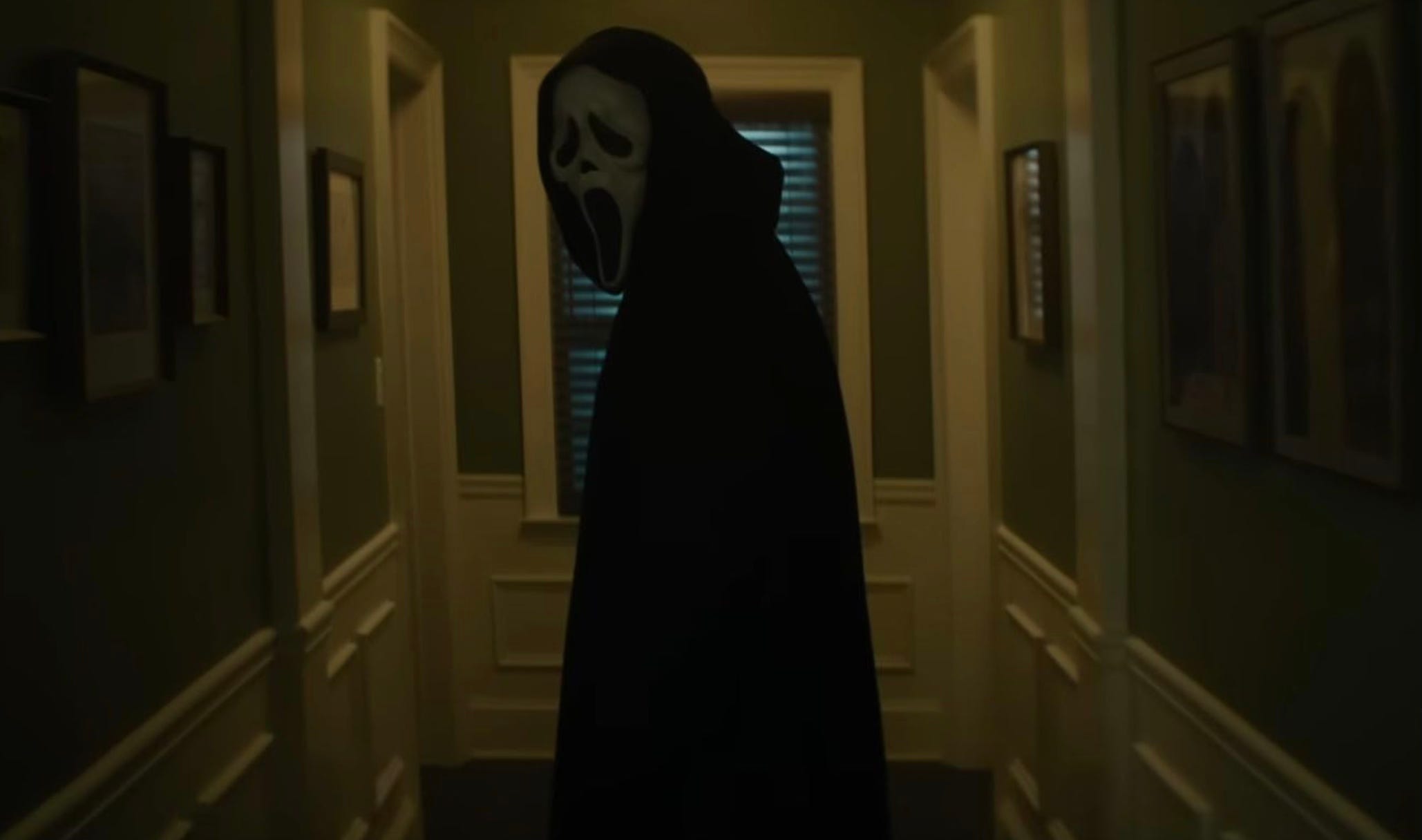
Scream 7’s opening scene alone surpasses the entirety of Scream 6. Rather than delivering another mindless stab-athon, Williamson’s direction leans into tension and suspense — and it works a treat. There are moments that are genuinely unnerving, sending a mild shiver through you. It may well be the franchise’s scariest entry. Though primarily known as a screenwriter, Williamson shows real promise behind the camera, delivering a confident and competent contribution from the outset.
Despite turbocharging the horror elements, there’s a lightness running throughout the film, largely fuelled by the nostalgic pleasure of seeing Sidney again. Watching how she’s getting on in life feels comforting, as though catching up with an old friend. There’s tension with her young daughter, who views her mother as overprotective, but otherwise, Sidney appears to live a relatively content life with her husband in a pleasant home, working at a local café. Of course, whatever peace she manages to hold onto doesn’t last; otherwise, we wouldn’t have a Scream film on our hands.
A new Ghostface is in town — perhaps one, perhaps two, maybe even three. As always, bodies pile up in pursuit of the ultimate target: Sidney and her daughter. Some of the kills are arguably among the most violent and brutal in the franchise. There’s a satisfying creativity to the gore that will likely make you laugh if, like me, you possess a slightly sick sense of humour.
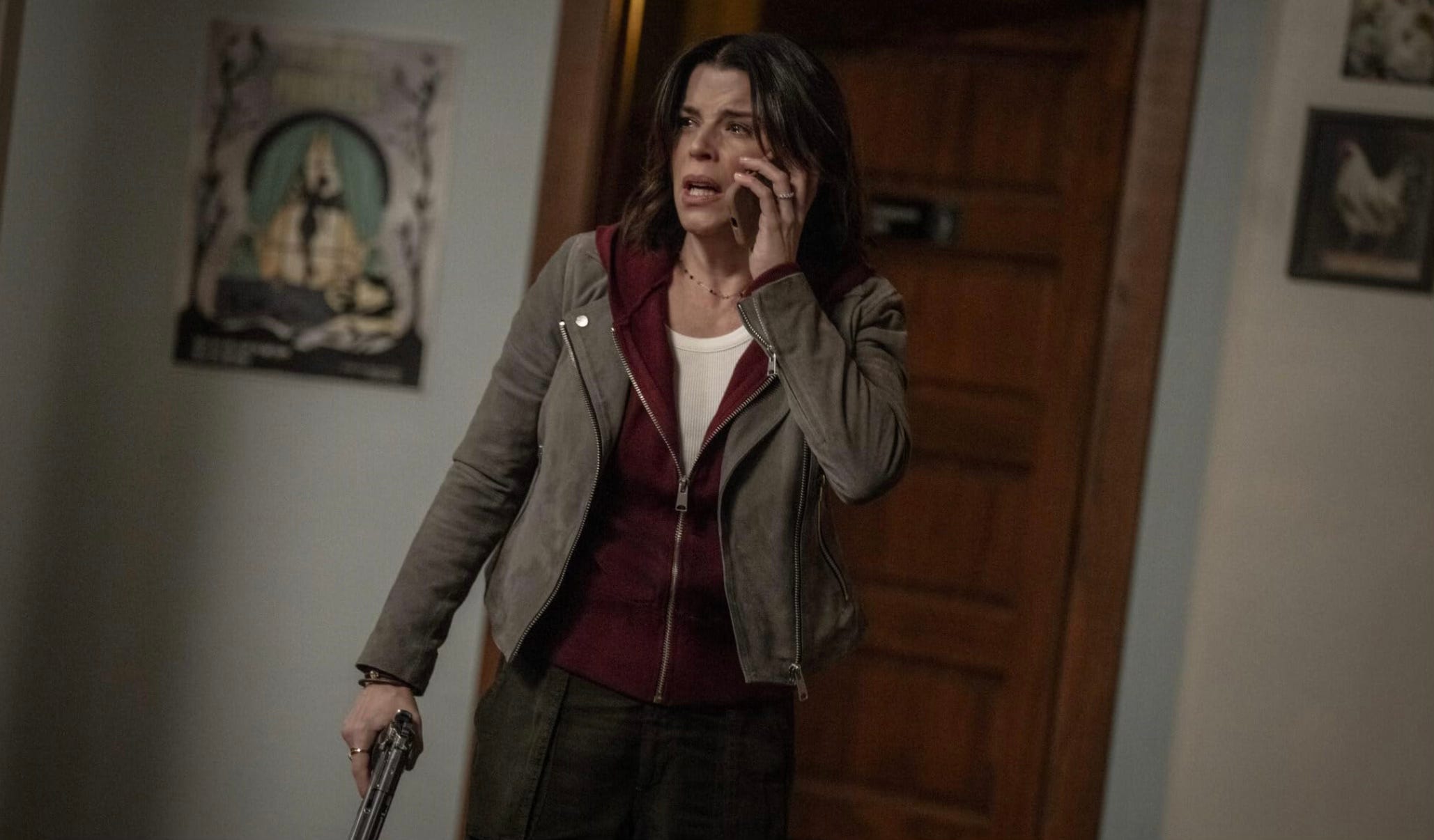
The plot isn’t overly complex; however, you may question the logic of certain developments, but it’s forgivable because what you’re watching is undeniably entertaining. The film doesn’t take itself too seriously; it knows it exists to entertain. It pokes fun at itself deliberately, even offering a nod to the behind-the-scenes drama. Yet there are more serious threads woven in, particularly an exploration of the damage a parent can inflict by shielding a child too heavily from the real world. There is emotional depth here, though admittedly in measured doses.
While you remain engaged and entertained for most of the runtime, the reveal of the killers lands with a slight wave of disappointment. Don’t expect anything groundbreaking. It may surprise you, but perhaps only because of how creatively underwhelming it feels. There’s an odd sensation near the end that something else must be coming — surely that can’t be it? But then the credits roll, and you accept what you’re given. Fortunately, the journey itself is enjoyable enough that the underwhelming reveal doesn’t derail the experience.
For those who argue the franchise should finally die, I once agreed, at least before attending this new entry on opening night. But sitting in an auditorium where the audience erupted into applause as our protagonists defeated Ghostface, cheering at the entrance of one beloved character, it became clear that this long-running franchise still provokes something increasingly rare. In an era where cinema attendance has dramatically declined, that kind of audience reaction matters. Should the franchise run itself completely dry? No. But perhaps we shouldn’t be too hasty in calling for its death just yet.