
Movie Posters That Make You Wonder
Why movie posters are sometimes more important than the film itself

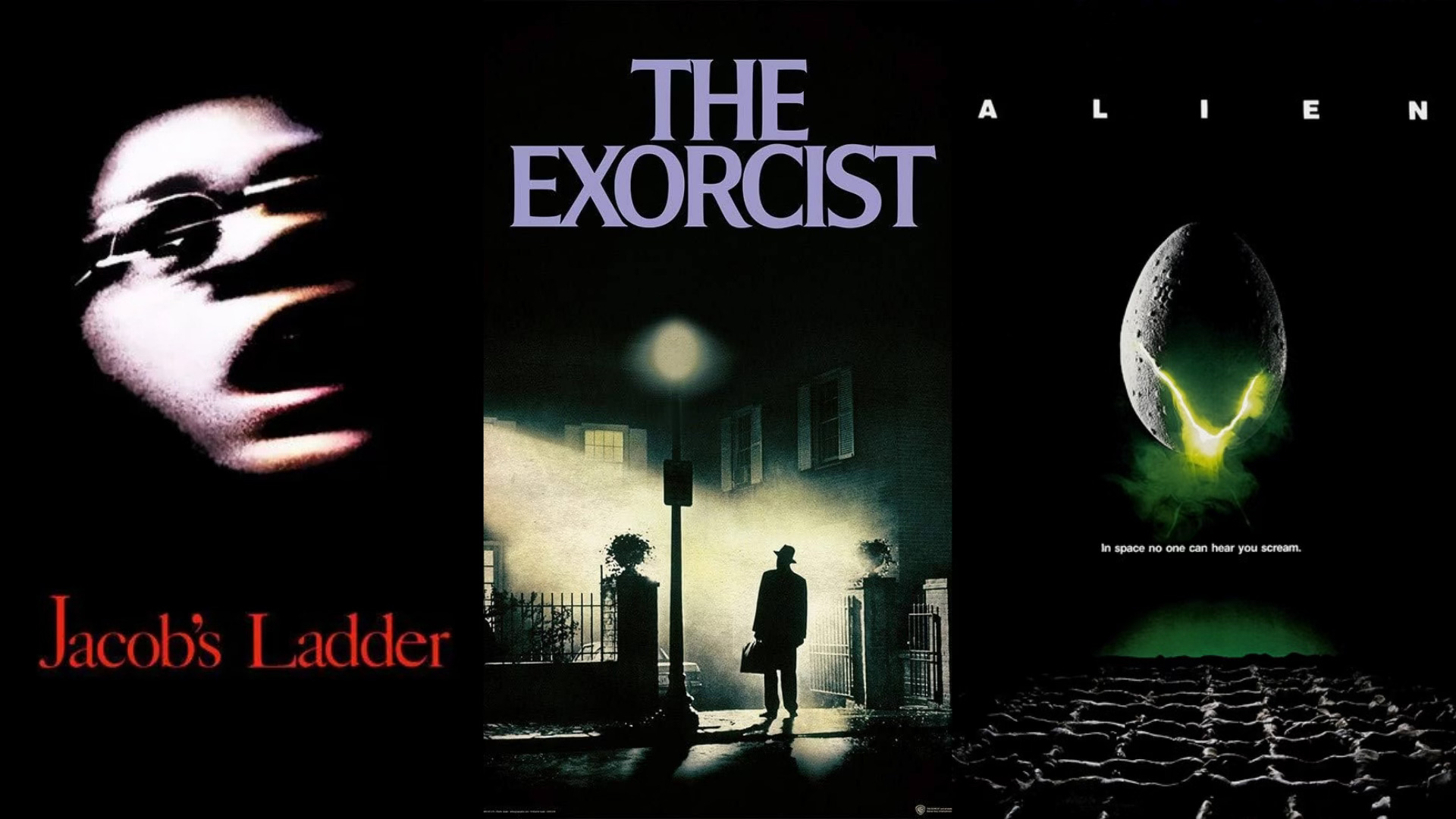
Movie posters serve multiple functions. The most obvious is to market the film: to attract audiences and encourage them to invest time and money in a product that exists with the hope of making a financial return. The marketing tools at a designer’s disposal often include highlighting the actors, directors, producers, and the genre of the film. Naturally, the graphic design must also be aesthetically pleasing if it is to capture attention. Beauty, after all, is a powerful value that is often taken for granted in the modern era. However, there is another function that is arguably the most important and perhaps the most overlooked, which is the ability to provoke the imagination of the spectator.
When visiting the local convenience store in the village I grew up in as a child, I would browse the DVD rental collection they had, which felt like a miniature Blockbuster. It was rare that I picked up anything for rental, as my parents either didn’t have the money or I was attracted to titles that weren’t suitable for my age. Despite not being able to rent the films I was browsing or having to wait for my parents to make the purchase, I had already formed a picture in my mind of what I wanted those movies to be. Having such limited access to the films that interested me allowed my imagination to take hold, drawing inspiration from the DVD covers to create stories in my own head. There was a great joy in simply observing those titles in the store, imagining what existed behind the artwork.
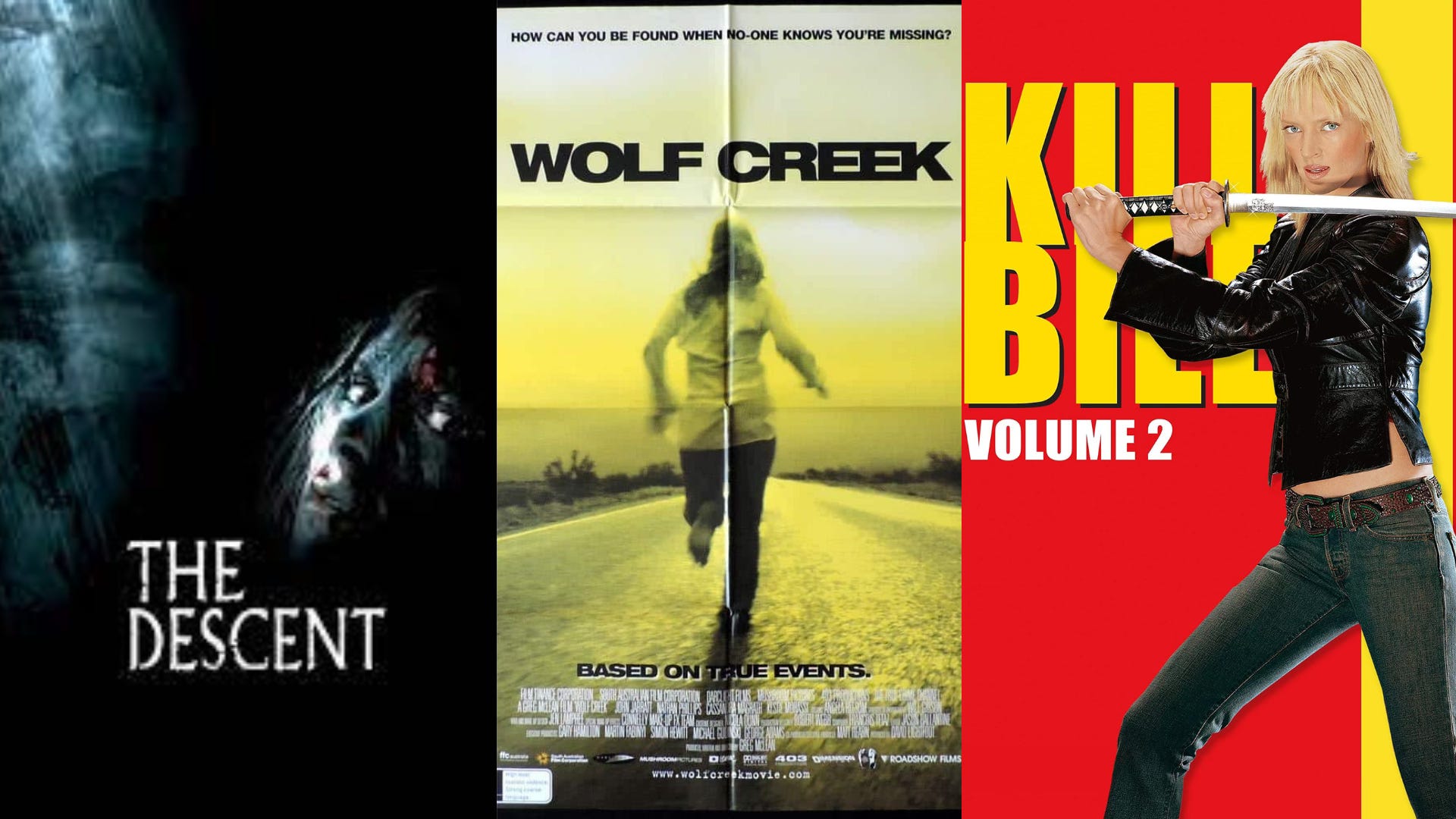
Did the ideal film I concocted in my head match the reality of the work once I got around to watching it? Not exactly. However, some films did live up to that imagined standard, such as The Descent, Wolf Creek, Kill Bill, and The Lord of the Rings trilogy. Others, however, failed to meet the expectations set by their posters, leading to a profound sense of disappointment. It became clear to me that sometimes a movie poster can be better than the film itself, as the creativity of the spectator’s imagination can surpass the final vision executed by the artist.
Filmmakers do not always succeed in fully realising the vision they initially intended. This can be due to many factors, including budget constraints, the unavailability of certain actors or locations, and creative differences within the production team. However, one way of salvaging that vision and communicating what the film aspired to be is through the movie poster. In this sense, the poster becomes a final opportunity to present the audience with the essence of the idea, offering a glimpse of the film’s potential even if the finished work falls short.
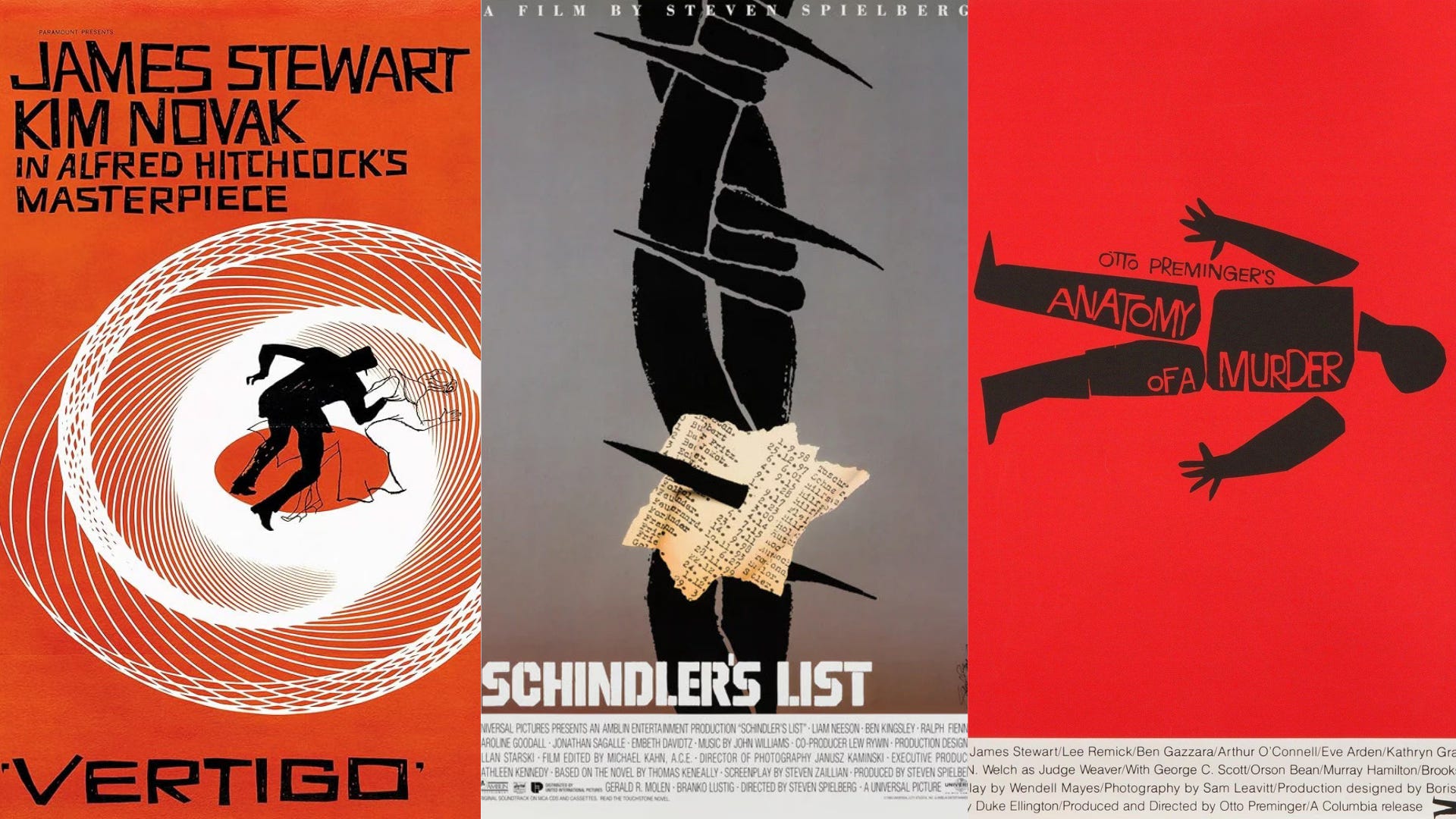
It’s important to note, however, that not all film posters possess the power of provoking the imagination of spectators, transforming them into storytellers in their own minds. Some posters succeed primarily through aesthetic appeal alone. Saul Bass is widely regarded as one of the most influential graphic designers in the history of movie posters; however, his signature minimalist style often provides fewer ingredients for the viewer to construct a story. This does not diminish the quality of his work. His designs for Vertigo (1958) and Anatomy of a Murder (1959) are frequently cited among the greatest movie posters of all time.
When considering what makes a good movie poster, it is common to assume that aesthetics are the defining factor. However, for a young boy browsing DVDs in his local convenience store without the means to watch as many films as he wanted, the true value lay in the cinematic potential contained within the artwork.
A brand new newsletter
Every Thursday morning, subscribers to Aesthete Reviews will receive a new post in their inbox, focusing on a particular movie poster each week that possesses the power of inspiring the spectator to wonder.
The post will detail:
How the featured poster grasps the imagination
Whether the film matches the same quality as the artwork
Free subscribers get full access; however, please consider choosing a paid subscription to support my work, only if you can.