

Watch the video review above
No Other Choice didn’t receive any Oscar nominations this year, and I’m not that surprised. I wasn’t particularly eager to see the film. Over time, I’ve grown tired of East Asian genre cinema, especially horror and thrillers, which often include over-eccentric, over-the-top performance styles that feel unnatural to me. That said, this wasn’t always the case. There was a time when I had a genuine interest in these films. Directors like Takashi Miike and Sion Sono were once regular viewing; however, I’ve developed a clear distaste for something I was once fond of.
The last Park Chan-wook film I saw was Decision to Leave (2022). I don’t remember much from it beyond the fact that it involved a detective and a possible romantic connection with a suspect. What I do remember clearly are the impressive visuals, but that isn’t necessarily a positive when the imagery lingers more than the story itself. Because of that experience, I went into No Other Choice with fairly low expectations.
My interest was briefly renewed when I learned the film is based on the novel The Ax by Donald E. Westlake. Westlake also wrote the novel that inspired Point Blank (1967), starring Lee Marvin, which suggested that this adaptation might have more weight behind it than I initially expected.
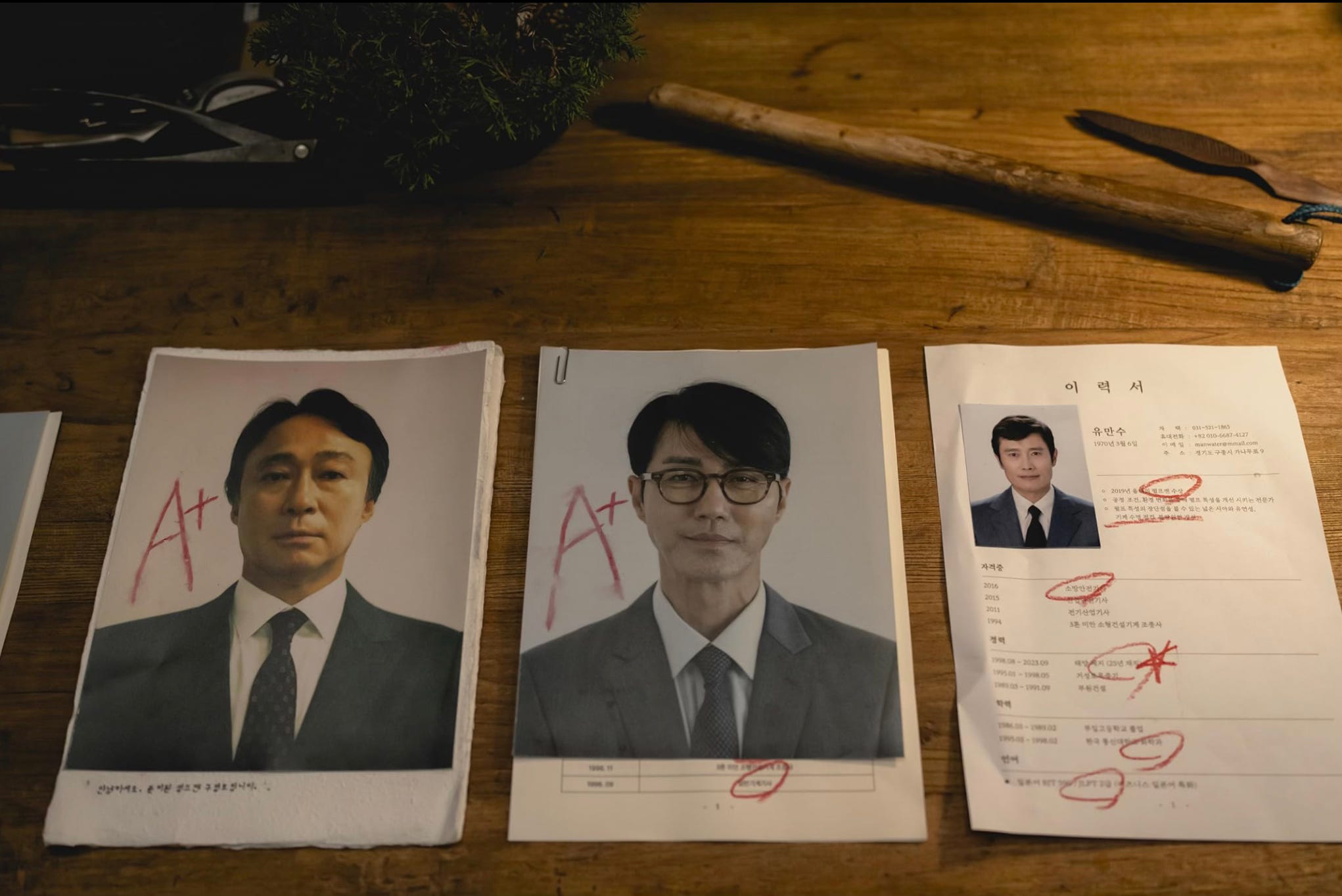
The film follows a family man who has worked in paper manufacturing for decades. His job defines him. When he is laid off, he attempts to find work elsewhere in the same field but is rejected. Eventually, he decides that the only way to reclaim the career he loves is to eliminate the competition, killing other candidates who stand in his way. On paper, it’s a strong and intriguing premise: a man so devoted to his profession that he’s willing to go to extreme lengths to return to it.
Despite the strength of the premise, I suspect that in a few years I’ll forget most of what happens in No Other Choice, much like Decision to Leave. The issue lies in what feels like missing pieces within the narrative. While we’re repeatedly told that this character is deeply passionate about his craft, we’re never shown convincing evidence of that passion. We’re not given a clear sense of why this particular job means so much to him beyond his desire to get it back. As a result, the film lacks the emotional grounding needed to make his transformation compelling or memorable.
I watched the 2005 French adaptation of The Ax, directed by Costa-Gavras, and found that it suffers from similar issues. In that version, the protagonist turns into a murderer almost instantaneously, which feels abrupt and unconvincing. Although it does try and get around this problem by presenting him as a killer from the start of the film, then working its way back to the start of the narrative. No Other Choice attempts to improve on this by gradually building toward the character’s capacity for violence, showing hesitation early on. While this is an improvement, it still doesn’t fully resolve the core problem of motivation and emotional depth.
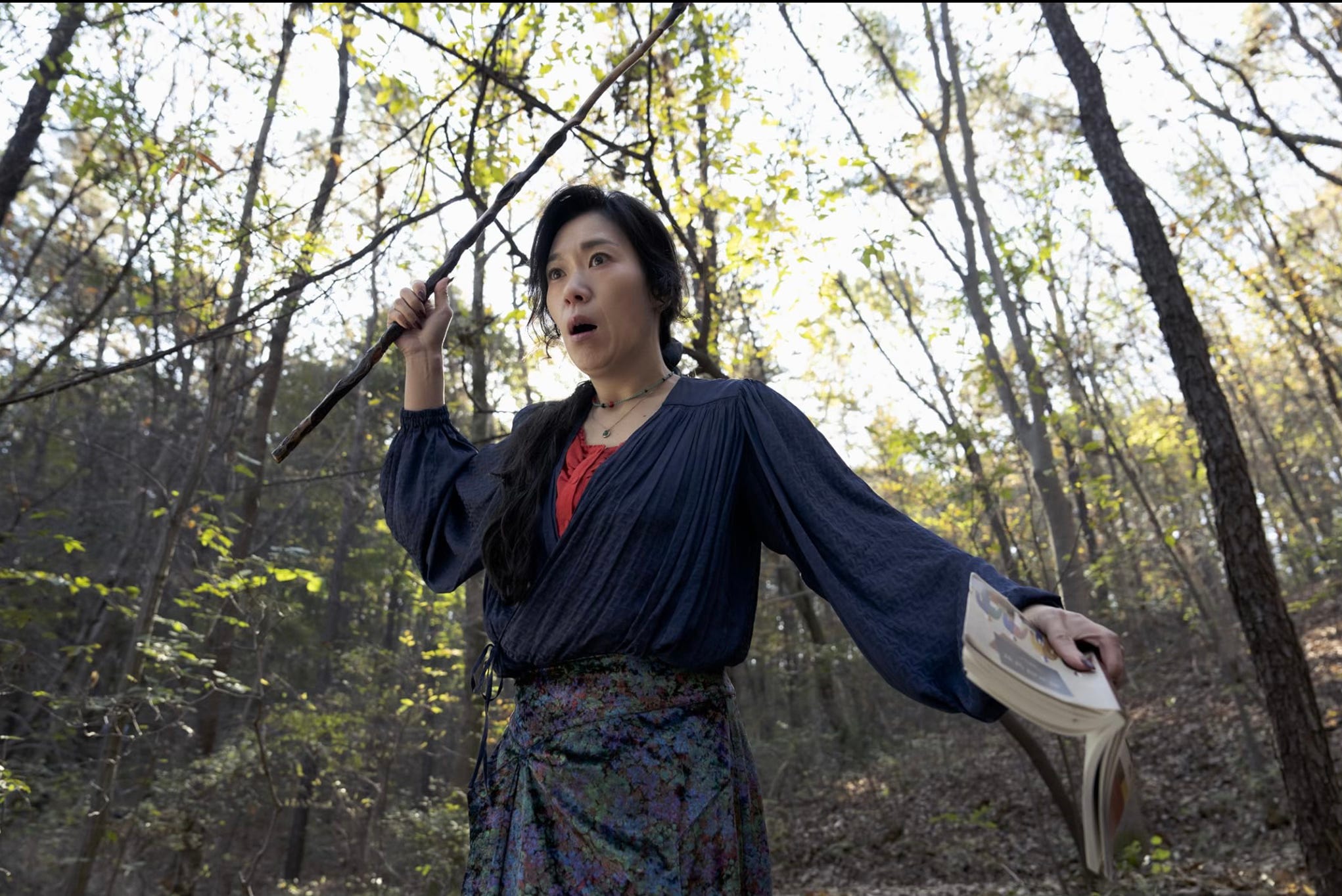
No Other Choice also contains the exaggerated performance style I mentioned earlier, particularly the shouting and heightened emotional delivery typical of this genre. The French version avoids this, though its minimal depth arguably creates an even bigger problem. In both cases, the lack of character development ultimately undermines the story.
Unlike Oldboy (2003) or The Handmaiden (2016), this film lacks truly disturbing or unforgettable moments. There is one haunting image involving the disposal of a body, but it isn’t enough to leave a lasting mark. Those earlier films embedded their shock and discomfort directly into the narrative, ensuring they stayed with the viewer long after the credits rolled.
Where No Other Choice undeniably excels is in its visuals. This may well be the best-looking Park Chan-wook film to date. His control over cinematography, editing, and visual composition remains exceptional, and I struggle to think of another director who presents images quite like this. On a technical level, the film is remarkable. However, this strength is also its biggest weakness. Style feels prioritised over story, and while the plot is engaging on paper, the characters leave little emotional impact.
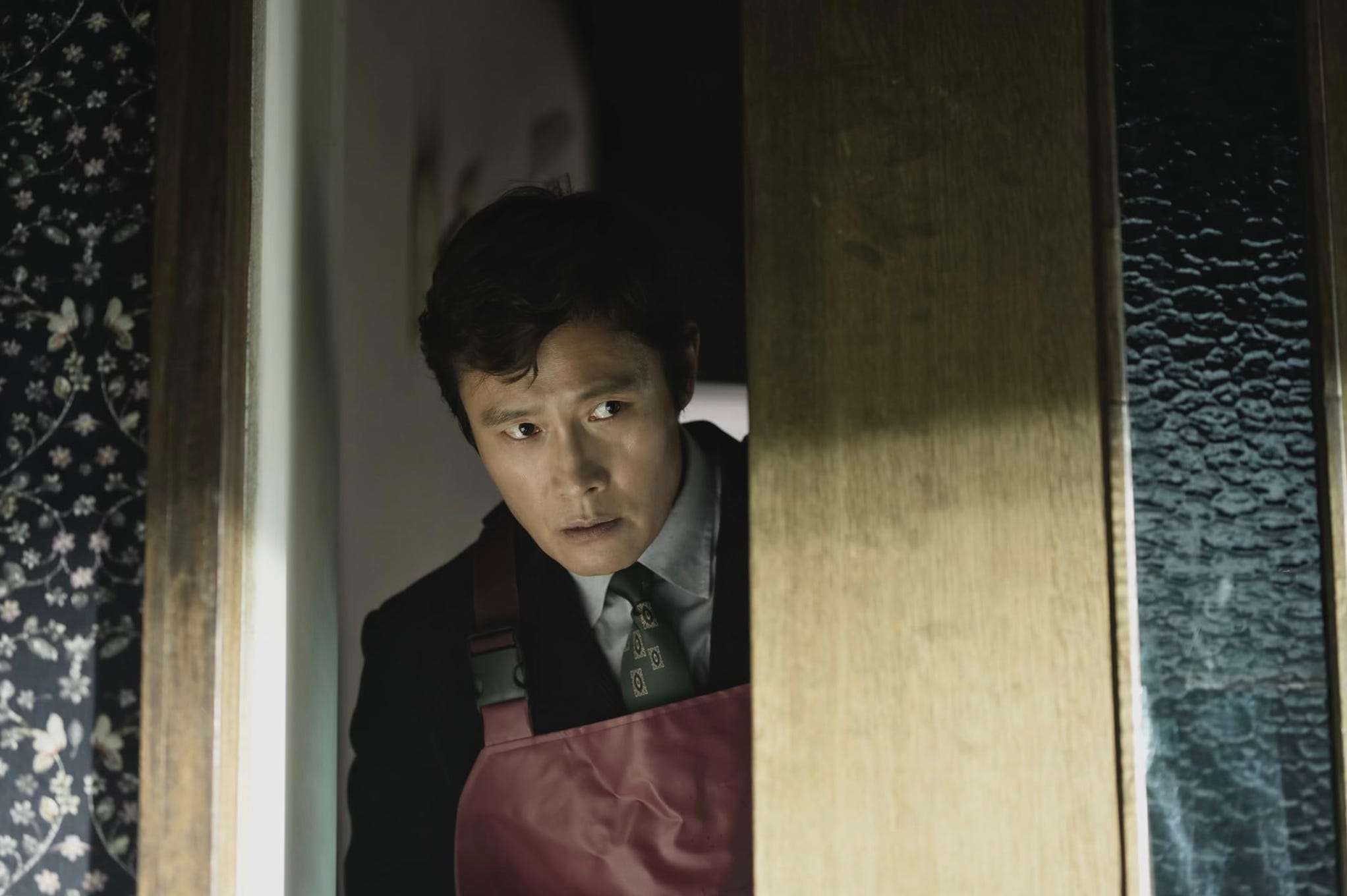
My reaction may be influenced by my fatigue with the performance style common in East Asian genre cinema. However, since the French adaptation shares many of the same structural problems, I can’t help but wonder if the source material itself is partly to blame. While filmmakers aren’t obligated to remain entirely faithful to a novel, audience expectations often push adaptations in that direction.
There’s no denying Park Chan-wook’s technical mastery. Decision to Leave and No Other Choice both demonstrate immense confidence and craft. Yet they’ve left me with surprisingly little interest in where his work is heading. Films like Oldboy and The Handmaiden left a lasting mark because their disturbing, idiosyncratic elements were deeply woven into both their stories and visuals. By contrast, his recent films feel safer and more restrained, as though those riskier qualities have been deliberately softened.
Some people have expressed frustration that No Other Choice wasn’t included in the Oscars conversation this year. Personally, I don’t think the Oscars should be taken too seriously as a reliable marker of artistic prestige; that reputation faded long ago. Still, if a film wants to be part of that conversation, it needs to leave a mark. An element of the film must burn itself into the viewer’s memory. Technical proficiency alone no longer cuts it. The films that endure are the ones remembered for their storytelling, and that’s what I find myself craving most.